
When in Rome...
When in Rome: The Eternal City Without the Crowds
I have a habit of booking city breaks around my January birthday, and Rome was one of the best decisions I ever made in the name of not having a party. Four nights in the Eternal City, mid-winter, and I’ve been quietly recommending it as an off-season trip ever since.
This was our first proper trip to Italy — a fact that becomes relevant later, when I tell you about the dinner that nearly finished us off. But we came home converts: to Rome, to travelling in January, and to ordering wine by the carafe. More on all three below.
Why January is the secret
Everyone pictures Rome in golden summer light, sweating in a queue that hasn’t moved in forty minutes. We went in January and walked straight past most of that.
Off-peak city breaks are a bit of a personal religion at this point, and Rome is the poster child for why. No queues at the big sights. Cool enough to walk everywhere without wilting — and in Rome, walking everywhere is the whole point. The major sites sit clustered so tightly in the historic centre that you can drift from one to the next on foot, no metro required.
Yes, you might get a crisp day and the odd bit of rain. Pack a decent coat and an umbrella and you’ve solved it. What you get in return is the city with the volume turned down.
The best bit is free
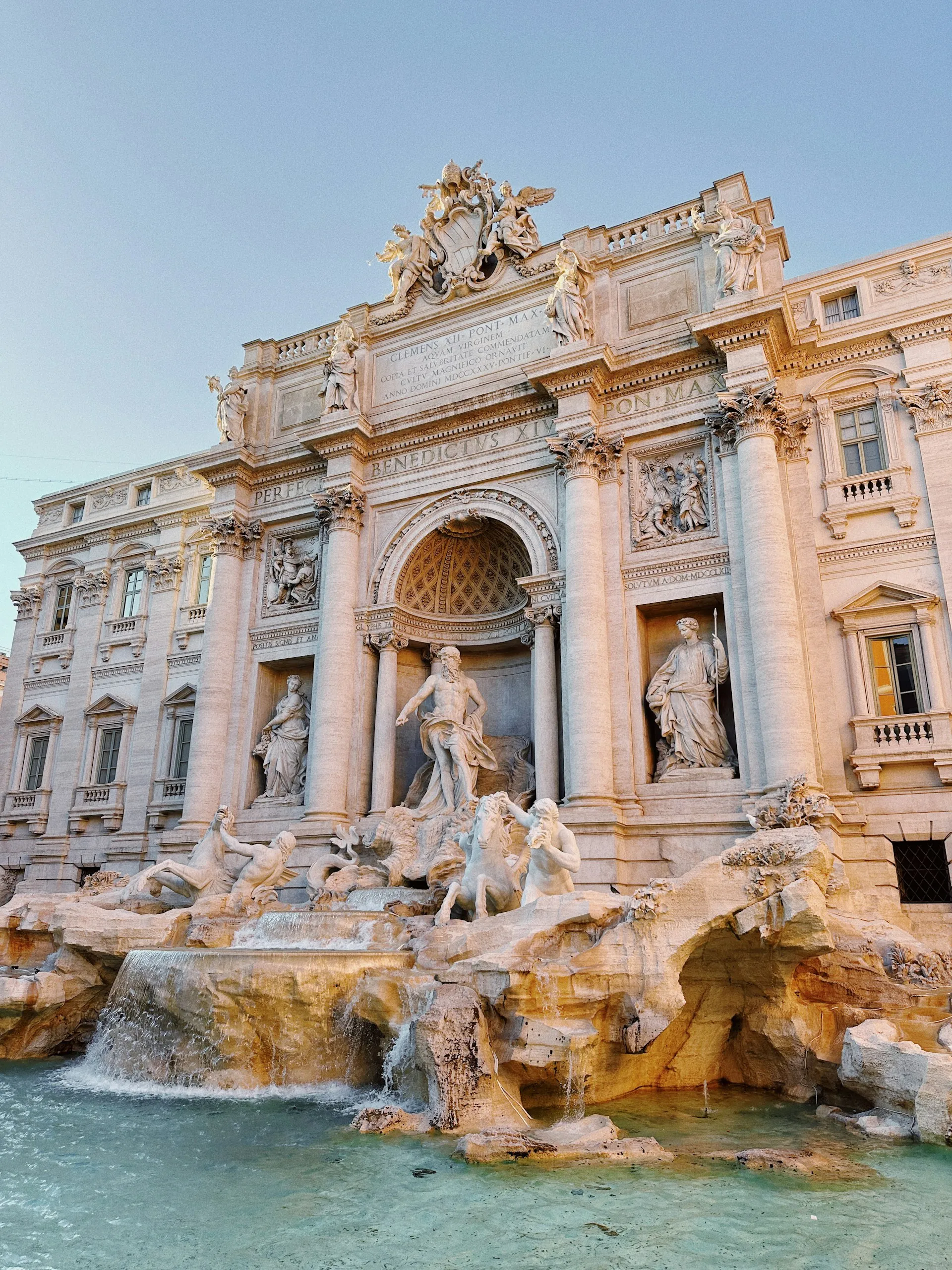
We stayed a few steps from the Trevi Fountain, which turned out to be the perfect base — but the thing that genuinely amazed us was how much of Rome you can see without spending a penny.
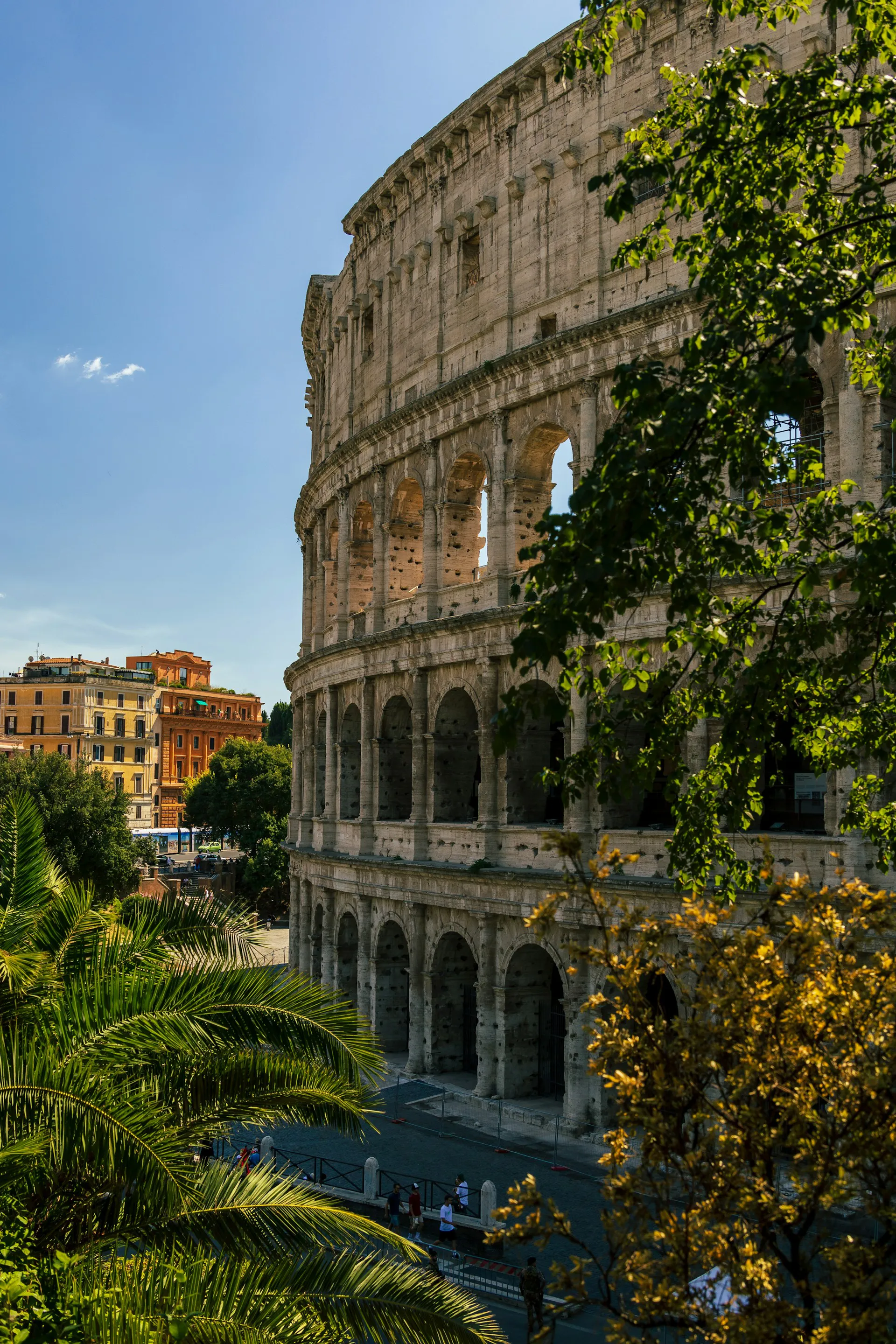
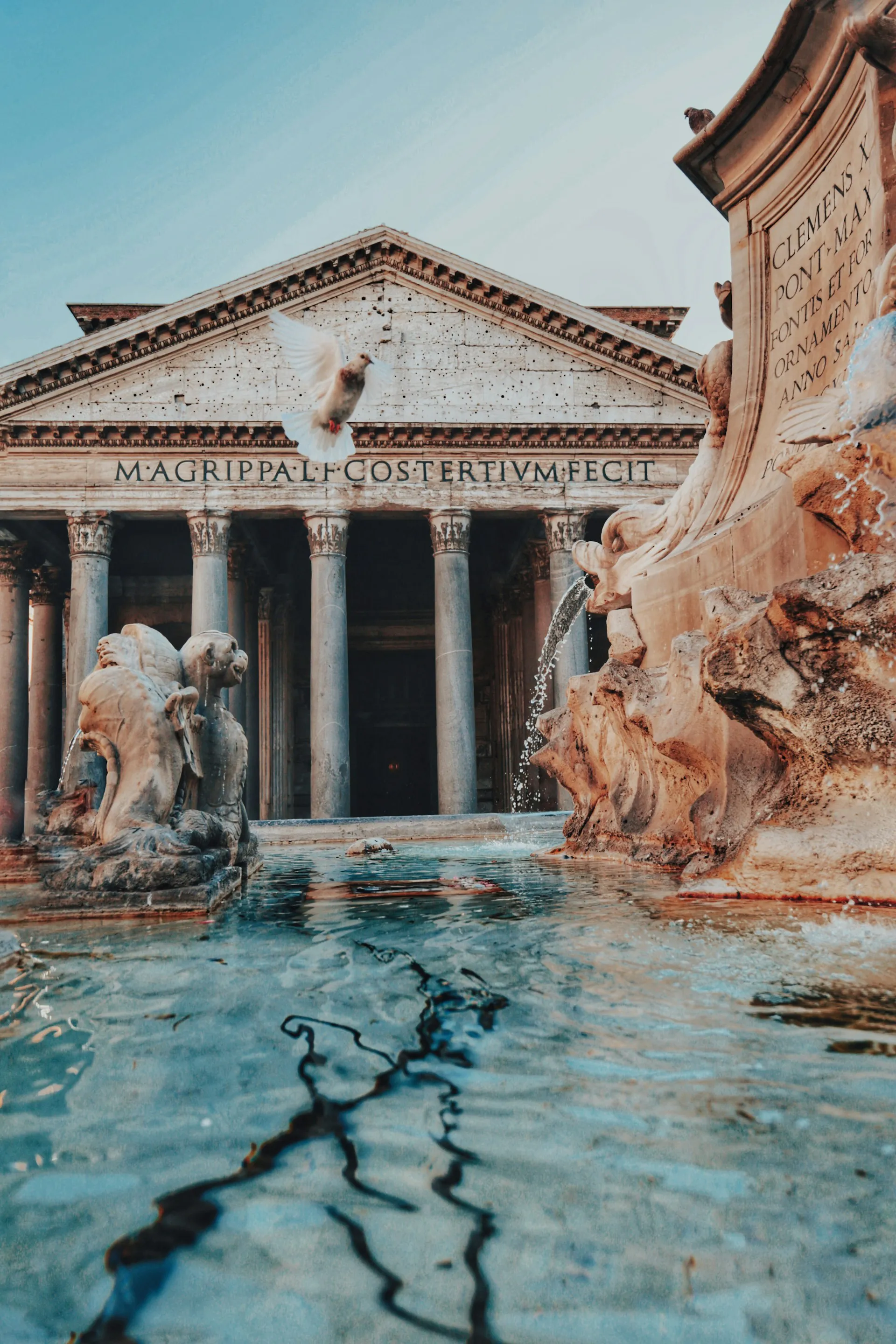
We’d wander in one direction and stumble across the Pantheon. Wander a bit further and hit the ruins that lead up to the Colosseum. The whole historic core is like this: layers of history and architecture stacked on top of each other, out in the open, free to anyone who fancies a walk. You pay to go inside the Colosseum, obviously — but you can stand in front of two thousand years of it for nothing.
The Colosseum is worth the ticket
That said — pay to go inside the Colosseum. It’s one of the few “big ticket” sights that fully earns it.
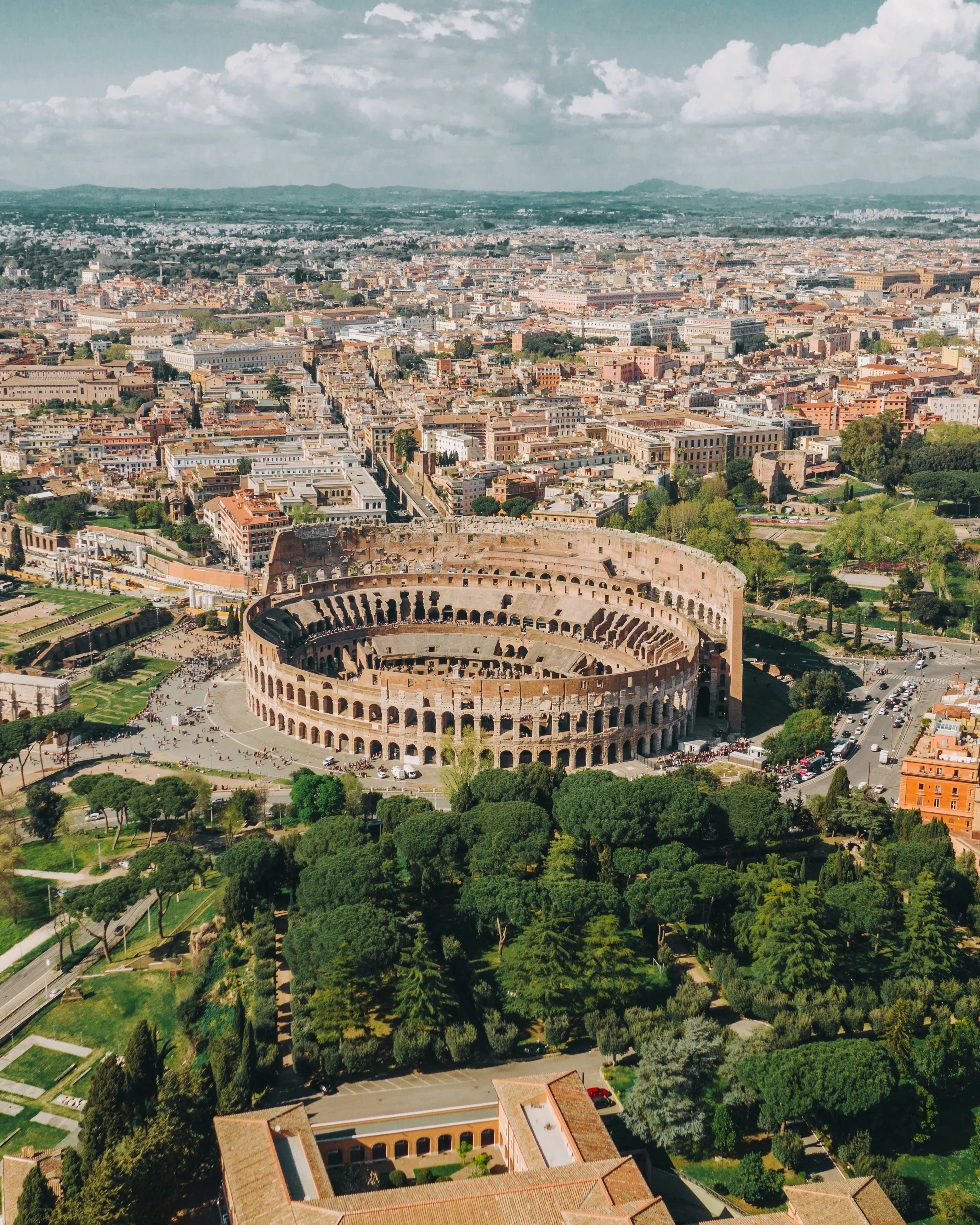
There are several tour options depending on how deep you want to go: standard entry, the arena floor (where the gladiators actually stood), and combined tickets that fold in the Roman Forum and Palatine Hill next door. If you’re the sort who likes the why behind what you’re looking at, the guided versions are worth it. And in January? We had no queue to speak of — which is exactly why we keep doing this in winter.
Affiliate disclosure: this section contains affiliate links. If you book through them I may earn a small commission at no extra cost to you.
The Vatican, and the ceiling I still think about
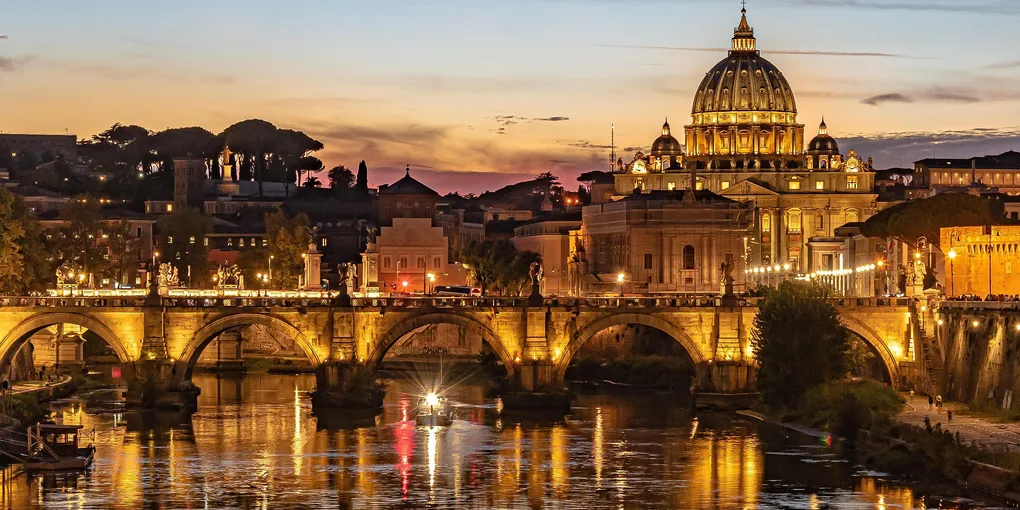
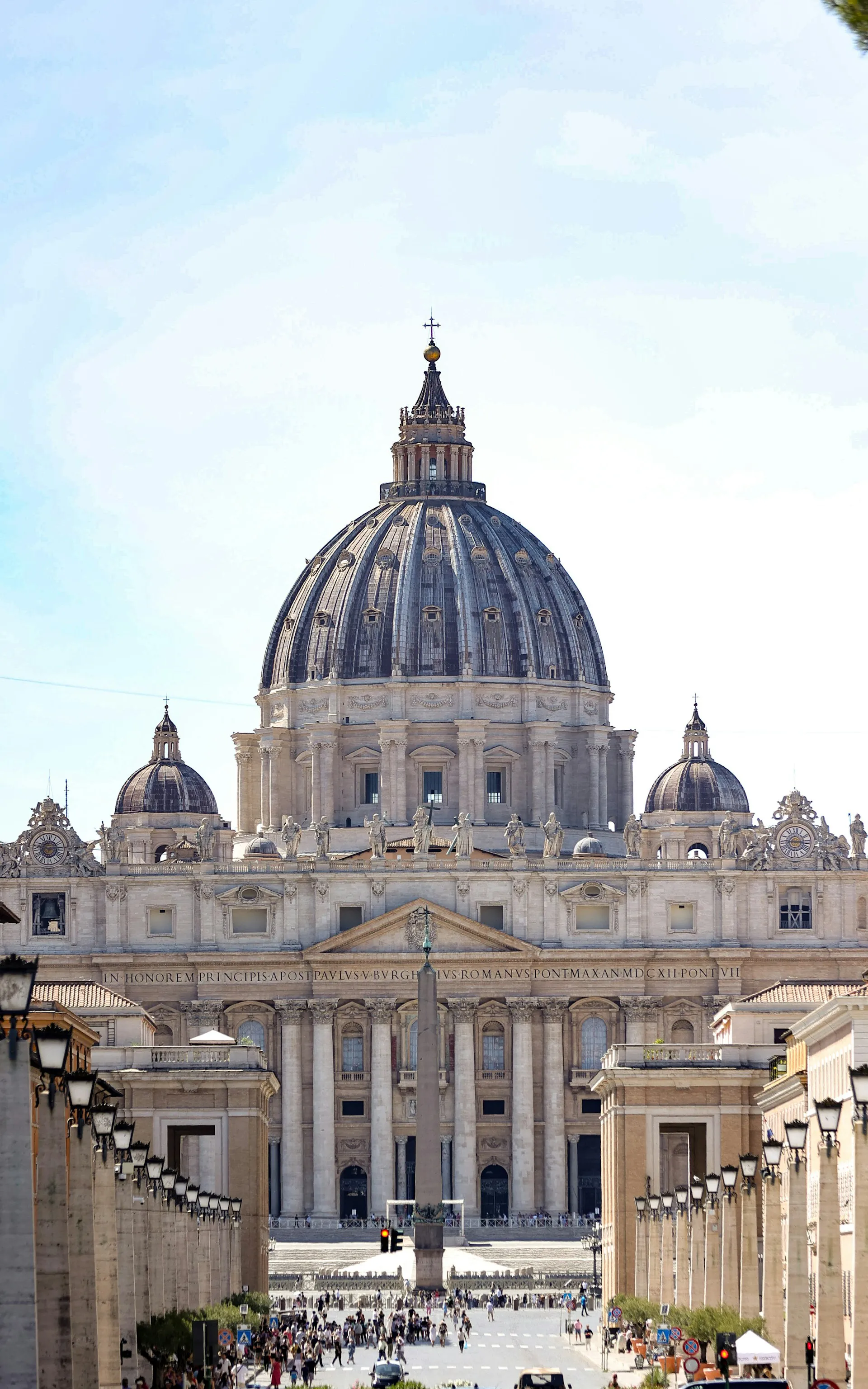
The next day we walked across the bridge to Vatican City — an easy stroll from the centre, and a lovely one over the Tiber.
One practical thing that catches people out: if you’ve bought your Vatican ticket in advance, bring photo ID. You may well need it. And a small reality check — even in January, even with a pre-purchased ticket, there was still a queue here. The Vatican is the one place that stays busy year-round. It’s worth it anyway.
Because then you get to the Sistine Chapel. I’ve seen a lot of beautiful things since, but that ceiling is still the most incredibly ornate piece of art I’ve ever stood under. Photos don’t do it — you have to crane your neck and see it in person.
Eating in Rome (and the dinner that broke us)
Here’s the good news: Rome can be as cheap or as expensive as you decide it’s going to be.
On our first day we had a gorgeous, wildly overpriced glass of wine at a white-tablecloth restaurant on a square — worth it once, for the people-watching. But some of our best meals were the unplanned ones: a traditional little pizzeria on an unremarkable side street that we ducked into simply because we were hungry and walking past.
My one hard-won tip: always ask for the house wine in a carafe. You’ll pay a fraction of what a bottle off the menu costs, and it’s almost always lovely. This is the single best piece of advice I can give you about eating in Italy.
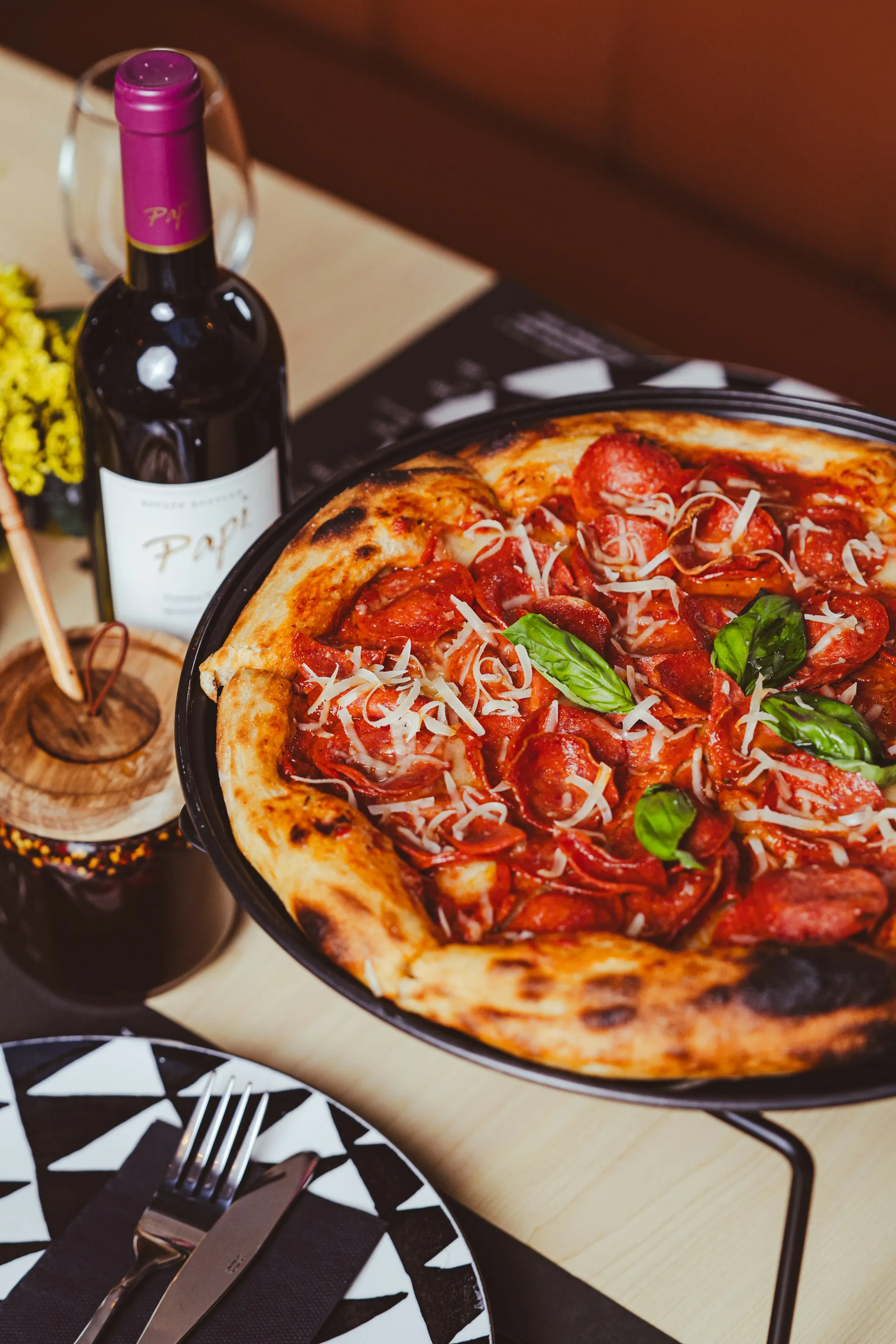
And now the confession. Being fresh to Italy, we looked at a menu — antipasto, primo piatto, secondo piatto, contorno, dolce — and reasonably assumed you were meant to have one from each section. Reader, you are not. You mix and match. We did not mix and match. We ordered a full five courses each, ate our way heroically through all of it, and by the time the free shot of limoncello arrived, not even it could save us. We have learned a great deal about Italian dining since. This is the lesson I paid for so you don’t have to.
Where to stay
We stayed somewhere mid-range and a few steps from the Trevi Fountain, and honestly, location did most of the heavy lifting. In central Rome, where you are matters more than how many stars are on the door — being able to walk home to bed after dinner, past a floodlit Baroque fountain, is worth paying for. Here’s a pick at each end:
Treat yourself — Singer Palace Hotel. A small five-star (just 30 rooms) around 350m from the fountain, in a beautifully restored historic building. The rooftop cocktail bar is the real reason to book — the views over the rooftops are the kind you remember. Boutique rather than a big chain, which is exactly my taste.
Keep it sensible — Parlamento Boutique Hotel. An old-school three-star tucked between the Trevi Fountain and the Spanish Steps, with comfortable modern rooms and a private guest terrace. Budget-friendly without feeling like a compromise — a proper base, not just a bed.
(Both were solid picks at the time of writing — always check current rates and reviews before you book.)
Would I do anything differently?
Honestly? No. The location was perfect, we saw everything we wanted to see, and the only genuine mistake we made was ordering too much dinner — which, as travel regrets go, I can live with.
The one thing I do want to do is go back and show the kids. Rome is the sort of place that rewards a second visit, and a third. I suspect I’ll be booking another January trip before long — old habits.
Day 1 – Arrive, settle in near the Trevi Fountain. Wander the historic centre and stumble across the Pantheon and the ruins leading up to the Colosseum — free to see. Evening: a (overpriced but worth it once) glass of wine at a square restaurant, people-watching.
Day 2 – Colosseum day. Buy a ticket and go inside — consider the arena floor or a combined Forum/Palatine Hill ticket. In January, barely any queue.
Day 3 – Vatican City. Walk across the Tiber to St Peter’s and the Sistine Chapel. Bring photo ID if you’ve pre-booked — this is the one spot that stays busy even off-season.
Day 4 – A slower day: duck into an unplanned pizzeria for dinner (ask for the house wine in a carafe!), revisit favourites, and finish with an evening stroll past the floodlit Trevi Fountain.
From vanlife to luxury — and everywhere in between.